Important Tips Every Horse Racing Enthusiast Should Know to Succeed
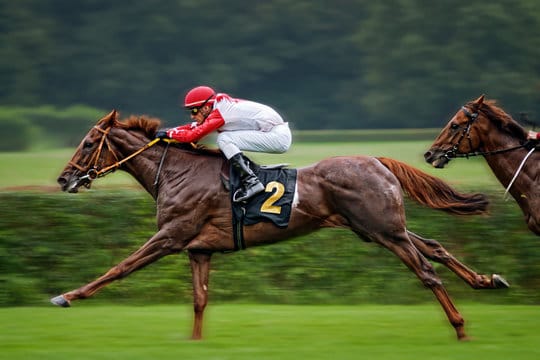
Horse racing, often known as the sport of kings, is a thrilling and captivating world that combines speed, skill, strategy, and instinct. For those who want to be successful in this world, understanding the nuances of the sport goes far beyond simply picking a horse and hoping for the best. Every decision, from studying the form book to assessing the track conditions, plays a pivotal role in determining the outcome. In this article, we’ll explore the essential horse racing tips every enthusiast should know to succeed in horse racing. Whether you're a novice or have some experience, these tips will help you elevate your approach to horse racing.
1. Thoroughly Understand the Form Book
The form book is your most valuable resource when assessing the horses in any race. It contains a horse’s past performances, including race results, finishing positions, times, and sometimes notes on the race conditions. Understanding how to read and interpret the form is a fundamental skill every horse racing enthusiast must acquire. A horse’s form provides a snapshot of its potential, its consistency, and its suitability for a specific race.
Look beyond the latest result. Professional participants often analyze trends over the horse’s last five or ten races to determine whether it is improving or deteriorating. Consider factors such as the type of races it’s been competing in, the distance of those races, and the ground conditions. Horses that have consistently performed well in similar conditions to the upcoming race should be given significant weight in your analysis.
2. Focus on Race Conditions and Track Knowledge
Each race track has its own unique characteristics, and understanding these traits is crucial for evaluating the performance of horses. The condition of the track, whether it’s firm, soft, or heavy, can drastically influence the outcome. Some horses thrive on firmer ground, while others perform better on softer surfaces. Knowing how a horse has performed under specific track conditions gives you an edge when assessing its chances.
Track layout and distance also matter. Some horses have a preference for particular types of tracks—whether it’s a flat, straight course or a circuit with sharp bends. The length of the race is another important factor. Horses may excel over short distances but struggle in longer races, or vice versa. Knowing how a horse performs over various distances, especially when they align with the upcoming race’s configuration, can give you invaluable insight.
3. Assess the Jockey’s Skill and Experience
While the horse is the focal point of any race, the jockey plays a critical role in determining the outcome. A skilled jockey brings not only the technical ability to steer the horse but also the experience to manage the pace, tactics, and timing of the race. Professionals pay close attention to the jockey’s track record, especially their success rates in particular race types and with specific horses.
Experienced jockeys have an intimate understanding of how to position their horses in a race, knowing when to push for speed and when to conserve energy. A jockey’s relationship with a horse is also significant. Horses that have a good rapport with their jockey tend to perform better. Jockeys with a reputation for consistency and strategy should be given more weight when analyzing potential outcomes.
4. Look at the Trainer’s Reputation and Record
A horse’s trainer has an enormous influence on its performance. Trainers are responsible for preparing horses for races, ensuring they’re in peak condition physically and mentally. Some trainers are particularly skilled at conditioning horses for specific types of races, while others excel with young or inexperienced horses. A trainer’s reputation and track record are good indicators of their ability to get the best performance from a horse.
When analyzing a race, professional participants often consider the trainer's historical success in similar races or conditions. If a trainer has a history of success in the race type or conditions, it is a sign that the horse has been properly prepared for the challenge. In many cases, trainers have insider knowledge about how their horses are performing in training and may adjust their strategies accordingly.
5. Track the Impact of Rest and Recovery
Horses need time to recover between races, just like athletes. A horse’s fitness level plays a significant role in determining its success. Horses that have recently raced may not be in top condition for an upcoming race, especially if the race has been particularly taxing. On the other hand, a horse that has had adequate rest and a well-planned recovery period will likely perform better.
Pay attention to the time between races, particularly when a horse is coming off an extended break. Horses that have rested for a longer period may need time to shake off any rust, while those that race regularly may be more agile and in better form. Professional participants look for signs of fatigue in horses, and knowing a horse’s training schedule and recovery period can provide important context for its upcoming performance.
6. Consider the Weight and Distance of the Race
In horse racing, the weight a horse carries is a critical factor. Horses are often given specific weights to carry based on age, gender, and past performances. The weight can have a significant impact on the horse’s stamina and speed, particularly in longer races. Horses carrying lighter weights may have an advantage, especially when it comes to maintaining speed over longer distances.
Additionally, not all horses are suited to all distances. Some horses excel in sprint races, while others thrive in longer, endurance races. It’s important to evaluate each horse’s history over similar distances to gauge how it might perform in an upcoming race. Horses that have proven themselves over the specific distance of the race are often safer choices.
7. Study the Competition in the Field
A horse’s chances of success are not solely determined by its own form, but also by the strength of the competition. Professional enthusiasts consider not only the quality of the horse they’re focused on but also how it stacks up against the other horses in the field. This is where understanding the competition becomes key.
Examine how the other horses have performed in previous races, as well as their suitability for the upcoming race conditions. If there are several strong competitors in the race, it can be harder for any single horse to dominate, but if the field is relatively weak, your chosen horse may have a better chance. Professional participants often look for opportunities where horses with similar or better form are slightly underappreciated by the general market.
8. Use Technology and Analytics to Your Advantage
In today’s digital age, technology can give you a significant edge when it comes to analyzing horse racing. Professional enthusiasts often turn to data analytics and software to assess race results, track conditions, horse performance, and other key variables. Predictive analytics, for example, can identify trends and patterns that are difficult to see with the naked eye.
Many websites and platforms now offer historical data, predictive models, and analysis tools that can help you understand how a horse is likely to perform in a specific race. While intuition and experience are essential, technology can provide a more comprehensive and data-driven approach to horse racing.
9. Money Management: Staying Disciplined
Successful horse racing requires careful management of your finances. A key aspect of success is knowing how to manage your funds. It’s easy to get caught up in the excitement of the race, but keeping your emotions in check and sticking to a budget is essential.
Set limits for yourself before you begin and avoid chasing losses. Professionals use a staking plan, where they determine a fixed amount to invest per race based on their bankroll. This ensures that they don’t risk too much on any single race, helping them to weather the inevitable ups and downs. By maintaining a disciplined approach to your finances, you ensure that you can continue to participate in the sport over the long term.
10. Keep Learning and Evolving
The world of horse racing is constantly evolving. New horses, jockeys, trainers, and racing conditions present fresh challenges for those looking to succeed. The most successful horse racing enthusiasts are always learning, whether by studying past races, keeping up with industry trends, or using new tools to improve their decision-making.
Stay engaged with the racing community, attend events, and seek out expert opinions. The more you learn, the better equipped you’ll be to make informed decisions and improve your overall success.
11. Leverage the Importance of Race Type and Class
In horse racing, the class of the race plays a crucial role in determining the level of competition each horse will face. Races are classified into different categories, such as maidens, handicaps, listed races, and group races. Each classification has its own characteristics, and understanding how horses perform in these various race types can give you an edge.
For instance, a horse moving from a handicap race (where weights are adjusted to level the playing field) to a group race (which typically features the best horses) may struggle against tougher competition. On the other hand, horses that drop down in class may find themselves facing weaker opposition and thus have a higher chance of success. As a professional, evaluating a horse’s past performance in different race types can help you determine whether it’s likely to handle the competitive field in the race you're assessing.
12. Keep an Eye on In-Form Horses and Trainers
Just as it’s important to know when a horse is out of form, it’s equally crucial to identify when it’s in peak condition. A horse that is on an upward trajectory, improving in each race, can often outperform expectations. Similarly, trainers who are currently enjoying a run of success with multiple horses can be a key factor in a horse’s potential performance. A trainer with a winning streak is more likely to have a horse in top form for the upcoming race, so always keep an eye on trainers who are consistently producing good results.
It’s also worth noting that horses from trainers who perform well on certain tracks or under specific conditions (e.g., long-distance races, heavy ground) can offer strong clues as to their chances.
13. Pay Close Attention to Post-Position Draw
The position a horse starts from in the race can significantly influence its chances of success, especially in races where tactics and positioning are key. Professional enthusiasts pay careful attention to the post-position draw, which determines where each horse will start. In certain races, horses starting from the inside rail may have an advantage, while in others, the outside positions may be more favorable.
Horses that start from positions that allow them to maintain a good position throughout the race often perform better, especially in races with tight turns or tactical demands. Understanding how the draw impacts each race is essential to making more accurate predictions.
14. Consider Horse Behavior and Temperament
A horse’s temperament can directly influence its performance on race day. Horses that are known to be calm and composed tend to handle the pressure of a race better than those that are nervous, aggressive, or difficult to control. Some horses have a tendency to become agitated in the pre-race parade or when they’re in the starting gate, which can result in poor performances.
Professional participants often assess horses' behaviors before the race, noting whether a horse seems relaxed and ready to race or if it appears to be too tense. Horses that exhibit signs of nervousness or anxiety might be worth avoiding, especially if they’re facing tough competition. Temperament is an often-overlooked factor but can be a key indicator of how well a horse will perform.
15. Track the Horse’s Recovery Time Between Races
The time between races can significantly affect a horse’s fitness level. Horses that have been given sufficient time to recover from previous races are likely to perform better, while those with little time to recuperate may struggle to perform at their best. A key factor to consider is how much recovery time the horse has had since its last race, particularly after a race that may have taken a physical toll on it.
Horses racing within a short recovery window may not be as fit and could show signs of fatigue during the race. On the other hand, a horse that has been given enough time to rest and recuperate is often in better physical condition and ready to perform. Look at the race schedules of horses and assess their recovery periods to make better predictions.
Conclusion
Success in horse racing is about much more than picking a horse based on its odds or appearance. It requires a deep understanding of the form, the horses, the jockeys, and the conditions. By focusing on track knowledge, jockey and trainer performance, race distance, and weight, you can make more informed and strategic decisions. Additionally, embracing technology, managing your money wisely, and continuing to learn will help you stay ahead of the curve. Horse racing is a fascinating and rewarding sport, but to truly succeed, it’s essential to approach it with knowledge, discipline, and patience.