How to Make Smarter Bets on Horses: Top 10 Tips
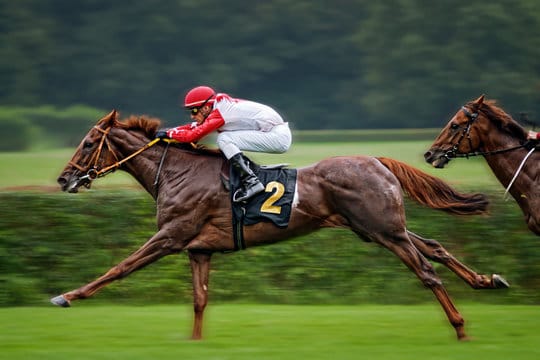
There’s something distinctly British about a day at the races—the flutter of silk colours, the earthy rumble of hooves on turf, and the age-old rituals of form books, paddock glances, and whispered hunches. Whether it’s Cheltenham in March, Royal Ascot in June, or a quiet weekday at Kempton under the floodlights, the atmosphere wraps around you like tweed on a chilly afternoon. But for all its charm and pageantry, the world of the turf isn’t simply about spectacle—it’s a test of observation, discipline, and sharp thinking. Making smarter decisions on the horses isn’t about luck, pub banter, or picking the name that reminds you of Nan’s dog. It’s a skill—one built over time by those who care to study the layers of the sport. From understanding trainer intent to reading between the lines of the racecard, this guide gives you the ten essential tools every punter needs to think sharper and act wiser. If you’re looking for an edge, these are the horse racing tips that’ll have you moving like a seasoned regular, not a mug punter caught in the swirl.
1. Read the Racecard Like a Historian, Not a Tourist
The racecard is more than a list of names and numbers—it’s a living document, a patchwork of past glories, missed chances, and coded intention. It’s tempting to glance at it and plump for the horse that won last time or carries the shortest odds. But smarter racegoers go digging. Look for clues in form figures—has the horse been knocking on the door or sliding backwards? Scan the official ratings—has it crept up the weights for a narrow win, or is it tumbling into more forgiving company? Consider the trip and going—has it thrived under today’s conditions before or struggled when faced with soft turf or longer distances? Dig even deeper into the class of the race and whether this is a step up or a confidence-building drop. A single line on the card may hint at an entire strategy from a trainer who’s been planning this run for months. Those who read it like a map, not a menu, often find their way to something special.
2. Follow Trainers the Way You’d Follow Form—Some are Sculptors, Others Just Fill the Frame
Trainers in the UK come in all shapes, strategies, and ambitions. Some operate like military tacticians, plotting each move with precision. Others chuck their runners into anything going and hope something lands. If you want to make smarter moves, get to know who’s who. Follow trainers who consistently deliver in specific scenarios—maybe they shine with novice hurdlers or have a knack for summer handicaps. Watch for patterns: are they sending one solitary runner across the country for a Class 4 at Lingfield? That’s not coincidence, that’s intent. And note when the yard is in form—winners often come in clusters. You’ll hear commentators say “the stable’s flying”—that’s your green light. A hot yard breeds confidence, sharper schooling, and often more aggressive riding. Likewise, some trainers are better fresh off a break, others hit their stride mid-season. Spotting the rhythms of a yard is like hearing the beat of a track before the chorus hits—you know exactly when the drop’s coming.
3. Never Dismiss the Power of Course Form—Some Horses Have a Home Advantage
Racing surfaces across Britain vary wildly. From the sweeping curves of Doncaster to the trickier twists of Chester, each course has its own character. Some have uphill finishes, others are flat as a pancake. Some hold water and turn boggy, while others dry out under the lightest sun. Horses, being creatures of habit and physical nuance, develop affinities for certain courses. It’s not just the shape—it’s the stabling, the atmosphere, the travel, and the feel underfoot. When a horse is said to be a “course specialist,” that’s not lazy punditry—it’s usually backed by repeated success at the same venue. If you spot one returning to its favourite stomping ground after a few indifferent away-days, don’t be put off by recent results. The comfort of familiar surroundings might be all it needs to spark a revival. Think of it as playing at home—same bed, same routine, same groove.
4. Analyse the Pace Scenario Like You’re Reading the First Three Moves of a Chess Game
Pace is one of the most underappreciated factors in race analysis, yet it dictates how a contest unfolds just as much as raw ability. Will the field go hell-for-leather from the gate? Is there a lone speed horse likely to control things from the front? Or are there several who need to be held up, turning the early stages into a crawl? Understanding who will make the running, who’ll track, and who’ll try to come late is like knowing the moves before they happen. Some horses need a fast pace to settle and find their rhythm. Others need to dictate terms to have any hope. If a prominent racer is likely to get an easy lead, especially at a course with tight bends and short straights, that could spell trouble for the rest. Conversely, a hold-up merchant in a dawdling contest might never see daylight. Don’t just look at what each horse can do—ask how the race will shape.
5. Watch the Weather Like a Groundskeeper, Not a Tourist
Few sports are as weather-sensitive as racing. Ground conditions can shift overnight, turning a good-to-soft forecast into something bordering on heavy. This completely alters the dynamic of a race. A mud-lover suddenly goes from no-hoper to contender. A flashy type who floats over firm ground starts looking laboured and unwilling. Those who check the going on the morning of the race—and compare it to each runner’s past performances in those conditions—have a decided edge. But go one further. Watch how the course drains. Is it riding quicker than the official description suggests? Has rain already started but the clerk’s not updated the going? Keeping tabs on the evolving track state is how you stay ahead of the masses. And don’t forget wind and temperature—they affect how deep the ground rides. Think like a groundskeeper. Know your turf.
6. Mind the Market Moves—but Don’t Be Led By Them Blindly
You’ll often hear chatter about horses that have “shortened dramatically” or “drifted like a barge.” And while movements in the odds can signal stable confidence—or lack thereof—they’re not gospel. Sometimes, a sudden move is down to nothing more than one major player lumping on. Other times, it’s an avalanche of casual punts sparked by a viral tip or gossip. Your job is to interpret, not react. Ask why a horse is shortening. Has the stable had winners earlier in the day? Has the ground turned in its favour? Is there a jockey switch that suddenly suggests stronger intent? And what about the drifter—was it overhyped to begin with, or is there a legitimate concern like a poor draw or headgear removed? Smarter decisions come from questioning the why, not following the herd.
7. Trip and Tactics—Fit the Horse to the Mission
Not all horses are built for every distance. Some are born sprinters, others natural stayers. But within those categories lies a world of subtlety. Just because a horse has run over a mile doesn’t mean it’s best over a mile. Perhaps it was staying on late, indicating it needs further. Or maybe it led early and faded, suggesting a drop in trip is overdue. Look at how the horse finishes its races. Look at how it travelled. If it was hard-ridden from halfway but kept grinding, it may want longer. If it travelled like a dream but folded quickly, stamina’s the issue. Tactics play into this too. Some horses need cover, others run freely and resent being held up. Smarter racegoers learn to match trip, pace, and tactics to get the clearest picture. It’s not just about where the horse is entered—it’s about whether the race fits.
8. Fresh Eyes on Forgotten Horses—The Beauty of Recency Bias
People love a horse that won last time out. It feels dependable, like it’s got form in the bag. But that’s exactly why its price is often too short. Meanwhile, a horse that finished seventh or eighth last time gets shoved aside, even if it had a terrible draw, got bumped early, or simply hated the ground. That’s recency bias. It clouds judgement. Smarter racegoers go beyond the headlines. They watch the replay, ask what really happened, and see whether a better run was buried in the rough. These are your value plays—horses that didn’t fire for reasons out of their control, but still retain ability. They’re the ones who’ll go off double-figured when they shouldn’t, because the market’s forgotten how good they really are. Always look for the forgotten threats—they’re often the most dangerous.
9. Study Jockey Patterns—Who's Riding What, and Why?
Top jockeys often have their pick of mounts, especially if they’re retained by a stable. So when they choose one runner over another, it speaks volumes. Likewise, if a lesser-known jockey is repeatedly paired with the same horse, that tells you there’s trust there. Watch for rider switches. Has a top apprentice been booked to offset weight? Has a seasoned rider jumped on board for the first time after the horse
underperformed last time? Jockeys don’t just steer—they influence how the race unfolds. Some are aggressive, others patient. Some excel in sprints, others over longer distances. If you know the pilot’s strengths and they match the mission, you’re already on steadier ground. And when the top names start appearing in the less-glamorous races, it often signals something brewing behind the scenes.
10. Keep a Personal Notebook—Because Gold Hides in the Details
Smart racegoers don’t rely on memory alone. They keep notes. Maybe it’s a scrappy type who ran green but showed promise. Maybe it’s a consistent runner who hates soft ground. Or a headstrong filly who’s transformed since being gelded. These insights don’t make it into the formbook, but they sit in the margins of a personal notebook. Over time, you build your own database—a layer of knowledge that isn’t public, isn’t on the racecard, and isn’t priced in. That’s your edge. And sometimes, a scribbled note from three months back about a horse “running on despite traffic” becomes the difference between profit and regret. Watch races, take notes, trust your eyes. Because long-term success comes not from chasing tips—but from learning to spot them yourself.
11. Beware the Blinkers—Gear Changes Are a Window Into Strategy
When a trainer makes a gear change—be it first-time blinkers, cheekpieces, a tongue tie, or even removing a hood—it’s often a deliberate strategy aimed at sharpening the horse mentally or physically. Far from being random additions, these adjustments speak volumes. First-time headgear, for example, can suggest a horse has been too laid-back in previous outings and needs waking up. Conversely, removing a visor might hint that the trick has worn off or that the team believes the horse has matured. Similarly, a tongue tie can aid breathing, especially on horses that flatten out under pressure or carry their head awkwardly. Pay attention to these changes. They might not leap off the racecard, but for the savvy, they reveal intent. If the gear switch coincides with a return to a preferred trip or ground, or follows a poor run that didn’t reflect the horse’s true ability, you might just be looking at a turning point.
12. The Draw Doesn’t Lie—But It Doesn’t Always Tell the Whole Story
In flat racing, especially over sprint distances or at courses like Chester, Beverley, or Goodwood, the draw can be the difference between first and nowhere. A low draw on a tight, turning track can offer the shortest path home, while those stuck out wide may struggle to get cover or burn too much petrol early trying to get across. But there’s nuance here. Sometimes, a wide draw can work in your favour—especially if there’s a pace collapse up front and the race falls apart late. Similarly, over longer trips, the impact of the draw diminishes. Smart observers don’t just quote draw bias like gospel—they weigh it alongside the horse’s style. A front-runner drawn wide may be scuppered. But a hold-up horse who can drop in at the back might avoid early scrimmaging and come through late. It’s not just where they start—it’s how they use that position.
Conclusion:
Making sharper calls on the horses isn’t about landing one big winner and walking off into the sunset. It’s about consistency, analysis, and discipline. It’s about treating each race like a puzzle, not a punt. The thrill of the sport lies not just in the outcome, but in the build-up—the weighing of form, the reading of clues, the satisfying click when everything aligns. These ten points are your starting blocks—not your finish line. Keep observing, keep questioning, and never stop refining your approach. Because in the world of racing, the smartest player isn’t the loudest or the flashiest—it’s the one who sees what others miss.