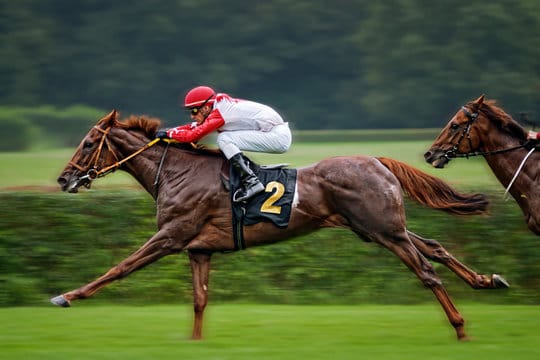
Horses Making a Comeback at Ascot 2025
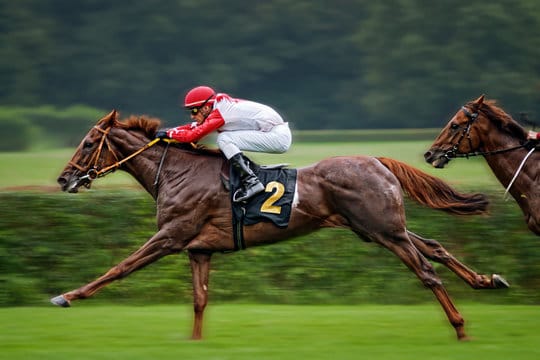
The world of horse racing has always been a captivating blend of tradition, athleticism, and spectacle. Ascot 2025, one of the most prestigious racecourses globally, stands as a symbol of this heritage, drawing enthusiasts, owners, trainers, and horses from around the world. As the 2025 racing season approaches, there is a growing buzz about the resurgence of horses making a remarkable comeback at Ascot, a phenomenon that promises excitement and renewed vigor to the sport. This resurgence is not merely about horses returning to the track but signifies deeper narratives of resilience, training innovation, and the timeless spirit of competition.
In recent years, the sport has witnessed many challenges. Injuries, extended breaks, or dips in form have sidelined some of the most promising and beloved horses. Yet, these absences have only set the stage for compelling stories of determination and recovery. The comeback of these horses at Ascot in 2025 is an inspiring testament to the enduring bond between the animals and their human teams. It also reflects the advances in veterinary care, rehabilitation techniques, and training philosophies that have transformed how equine athletes are managed throughout their careers.
One of the fascinating aspects of this comeback trend is the diversity of stories behind each returning horse. Some have battled through serious injuries that once threatened to end their racing days. Others took time off to mature or recuperate from the physical toll of competition. A few had disappointing runs that dulled their earlier promise but have since been revitalized by changes in training or management. Their return to Ascot’s hallowed turf is not just a chance for redemption but also a celebration of perseverance and careful planning.
Veterinary science has played a critical role in enabling these comebacks. Advances in diagnostics, including imaging technology and biomechanical analysis, have allowed for early detection of potential issues and more tailored recovery programs. Treatments such as physiotherapy, hydrotherapy, and regenerative medicine have become commonplace, accelerating healing times and improving outcomes for injured horses. These medical and therapeutic advances mean that horses can recover more fully and return to peak condition, ready to compete against the best.
Training approaches have also evolved significantly. Trainers are increasingly adopting holistic methods that consider the horse’s physical and mental well-being. Conditioning programs now balance rigorous physical workouts with rest, mental stimulation, and careful monitoring of stress levels. Nutrition has become a science, with diets customized to support recovery and optimize performance. The relationship between trainer and horse is being nurtured with greater attention to communication and trust, recognizing that a confident and comfortable horse is more likely to perform at its best.
At Ascot 2025, the returning horses are expected to showcase these benefits. The excitement surrounding their appearances stems not only from their previous reputations or potential for victory but from the journeys they have undertaken to reach this point. Each race involving a returning horse carries an added emotional weight, as spectators, owners, and trainers alike hope to witness a triumphant return that validates the hard work and care invested behind the scenes.
The atmosphere at Ascot will be electric, as fans come to see familiar faces and new contenders alike. The venue itself, with its rich history and vibrant social scene, adds to the grandeur of these comebacks. Ascot’s finely maintained course, the thrill of competition, and the palpable anticipation all contribute to a setting where stories of resilience and revival come alive. The spectacle of these horses lining up once again after time away evokes a unique blend of nostalgia and fresh excitement.
The significance of horses making a comeback also extends beyond the racetrack. These narratives inspire everyone connected to the sport and its audience. They highlight the importance of patience, dedication, and unwavering belief in potential, lessons that resonate in many areas of life. The return of these athletes serves as a reminder that setbacks are often temporary and that with the right support and determination, a return to form is possible.
Equally important is the impact on the breeding and future racing prospects. Horses that manage to return to form after setbacks often become valuable not only for their performance but also for their genetic contribution to future generations. Their stories of resilience can enhance their desirability as sires or dams, passing on traits of durability and competitive spirit. This aspect ties the comeback theme into the broader ecosystem of the sport, where the past, present, and future are deeply interconnected.
The human side of these comebacks is just as compelling. Owners invest significant resources and emotional energy in their horses, often forming deep attachments that go beyond the competitive aspect. Trainers and their teams dedicate countless hours to nurturing recovery and maintaining peak condition. Veterinarians and support staff work tirelessly to provide the best care possible. The success of a comeback is thus a collective achievement, reflecting teamwork, expertise, and passion.
At Ascot 2025, this human-animal partnership will be on full display. The excitement will not only stem from the races themselves but from the shared stories of overcoming adversity. These stories enrich the experience for everyone involved, adding layers of meaning to each race and creating memorable moments that linger long after the final furlong is run.
As these horses take their places at the starting gates, the anticipation is palpable. Each stride they take represents more than just a physical effort; it symbolizes hope, recovery, and the indomitable spirit that defines the sport. The crowd’s cheers will echo not only for speed and skill but for the triumph of resilience and the beauty of a comeback.
Looking ahead, the resurgence of these horses at Ascot could signal a broader trend for the sport. Their successful returns may encourage more careful management of equine athletes, prioritizing long-term health and sustainability over immediate results. This shift could enhance the quality of competition and extend the careers of many horses, benefiting the sport and its enthusiasts alike.
In conclusion, the theme of horses making a comeback at Ascot 2025 is a compelling narrative of resilience, innovation, and passion. It celebrates the advances in care and training that enable these athletes to overcome challenges and return to the spotlight. Beyond the races, these comebacks inspire those involved and highlight the profound connections between humans and horses. As the season unfolds, Ascot will be a stage for remarkable stories of revival, promising unforgettable moments and renewed enthusiasm for the timeless sport.
How Weather Could Influence Results at Ascot 2025
The grandeur of Ascot has always gone beyond the spectacle of high society and pageantry. At its core, Ascot 2025 remains an elite competition where the tiniest of variables can significantly affect the outcome. Among these, few factors exert as nuanced and far-reaching an influence as the weather. While many might focus on the condition of the horses, the skill of the jockeys, or the strategy behind each run, weather continues to remain a pivotal yet often underestimated element that can drastically shape the events of the meet. It sets the tone for each day’s performance and has the potential to change the entire complexion of a race.
Ascot, by tradition, takes place in June, when the British weather can be notoriously unpredictable. Despite falling in early summer, Ascot has historically seen everything from bright sunshine and dry ground to sudden downpours and sodden tracks. For those closely following each race, an understanding of the meteorological landscape becomes essential. The interplay between rainfall, temperature, wind speed, and humidity can create entirely different racing conditions, demanding adaptability from trainers, horses, and jockeys alike.
One of the most evident and direct impacts of weather is on the turf itself. The Royal Ascot course is turf-based, which makes it extremely sensitive to fluctuations in moisture levels. A string of dry days leading up to the event may result in fast ground, favouring horses that excel in such conditions. Fast ground allows for greater speed and typically benefits horses with a light stride or those with superior acceleration. Conversely, a spell of rain can shift the conditions to good-to-soft or even heavy, transforming the race into a stamina-focused challenge. Heavy ground saps the energy of the horses quickly, demanding endurance over speed. Thus, horses that thrive in such tougher conditions, often described as 'mudlarks', are far more likely to perform strongly when rain makes its presence felt.
The significance of footing is not just limited to how a horse runs. It affects how a jockey approaches the race, how trainers prepare in the run-up, and how the field is selected in the first place. Some horses are versatile across conditions, but many are not. A trainer might bring a promising sprinter to Ascot with a plan developed around good ground, only to watch their expectations unravel with an overnight downpour. The adjustment required isn’t merely physical but psychological as well, as a dampened track can alter a horse's rhythm and confidence.
Temperature also plays an indirect but important role in influencing performance. Though less dramatic than rain, a hotter-than-usual June can affect hydration levels and fatigue thresholds, particularly in races that stretch beyond a mile. High heat poses risks not just to the horses but also to the jockeys, especially when protective gear and race tension combine to create a physically demanding environment. Similarly, unseasonably cool or windy conditions can reduce the effectiveness of a horse that relies on warmth to stay loose and limber. Breezy days, especially with a strong headwind, can nullify front-runners who rely on early pace to establish control, redistributing the advantage to horses that stay back and strike late.
Wind patterns present a unique challenge in Ascot. The layout of the course and its openness mean that wind direction and strength can create unusual challenges. A headwind on the straight can severely test horses that typically power down the final furlong, requiring the jockey to conserve energy differently. Tailwinds, on the other hand, can provide unexpected assistance, propelling late surges and leading to surprise victories. Crosswinds may affect balance and stride rhythm, especially around the bends, adding another layer of complexity to an already intricate race dynamic.
Moreover, weather influences not just the physical but also the psychological environment. Horses are highly sensitive creatures, attuned to environmental changes. The roar of the crowd on a sunny day might elevate their enthusiasm, while damp and cold may make some lethargic or irritable. Jockeys, too, operate under the umbrella of these sensory influences. A sun-drenched day could make visibility easier and decisions quicker, whereas persistent drizzle may reduce clarity, making split-second choices harder to execute. This mental component, shaped by ambient conditions, often defines how well a rider can carry out the pre-race strategy.
Preparation for Ascot includes a rigorous understanding of the horse’s historical performance under various weather conditions. Trainers spend weeks assessing forecast models, revisiting previous runs under similar conditions, and adjusting workout routines accordingly. If wet weather is forecasted, they may simulate heavy ground in training or adjust shoeing techniques to enhance grip and minimise slippage. In cases where extreme heat is expected, cooling protocols and hydration schedules are intensified. These tailored preparations, influenced by evolving forecasts, may well be the difference between a standout performance and a forgettable run.
Weather also introduces a degree of unpredictability that complicates any pre-meet analysis. Even long-term observers and experts find themselves caught out by late changes in conditions. For instance, a dry forecast might suddenly give way to showers in the morning, drastically altering the racing surface just hours before post time. Horses known to struggle with soft ground may suddenly find themselves at a disadvantage, requiring last-minute strategic overhauls. This element of surprise not only makes each race more captivating but also speaks to the necessity of adaptability across all facets of the racing team.
Beyond the track and stables, weather plays a role in attendance and crowd energy, which in turn feeds back into the ambiance of the event. A bright, pleasant afternoon draws larger crowds, injects energy into the occasion, and contributes to a carnival-like atmosphere that many believe impacts the intensity of competition. Jockeys are known to respond to the buzz, and horses too, sometimes mirror the electricity of their surroundings. A damp, grey day may subdue the crowd and create a more solemn, tactical atmosphere, where precision overrides passion.
Interestingly, weather's influence extends to the cumulative results of the week. One or two days of rain can have a knock-on effect throughout the festival. The turf takes time to recover, and a soaked track on Wednesday may still retain some moisture by Friday, affecting the outcomes well beyond the moment of rainfall. This continuity across days necessitates long-range thinking, where a trainer must consider not just immediate conditions but also their trajectory. It also creates variability in which types of horses shine across different days, rewarding those who can identify and adapt to the evolving nature of the course.
For international contenders, the British weather often poses an added layer of unfamiliarity. Horses shipped from warmer or more temperate climates might struggle with sudden cold spells or unrelenting rain, affecting their acclimatisation and overall readiness. Trainers from abroad must factor in these meteorological challenges long before their horses even step foot in the paddock. Conversely, locally trained runners with extensive experience on British turf may find themselves at a relative advantage, attuned to the nuances of varying British weather.
The long-standing history of Ascot is filled with instances where weather has tipped the balance. Classic examples include sudden downpours that shifted pre-race expectations or sweltering afternoons that tested the endurance of even the finest horses. These moments are remembered not just for who won or lost, but for how nature interceded, turning an otherwise predictable contest into a dramatic showcase of resilience, instinct, and adaptation. They form part of the lore that keeps Ascot compelling year after year.
As Ascot 2025 approaches, all eyes will be not only on the declarations and pedigrees but also on the skies above. Those who understand how each breeze, each droplet, and each sunbeam affects the layers of performance will find themselves better prepared for the nuances of the week. The British climate, with its capacity for swift and striking change, ensures that no outcome can ever be fully taken for granted. It preserves the charm and mystery of this iconic event, reminding all who attend or watch that in the world of racing, nature always retains a seat at the table.