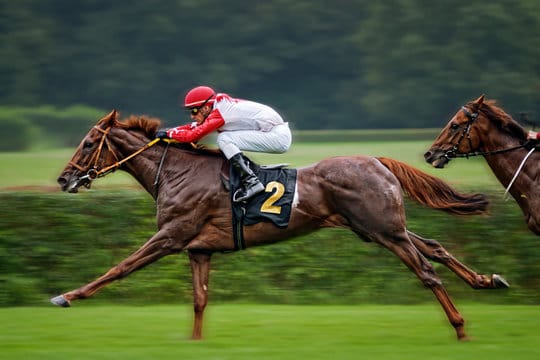
From Cheltenham to Aintree- How Festival Fatigue Affects Horses—and Your Bets

The Cheltenham Festival and the Aintree Grand National Festival are two of the most iconic events on the National Hunt racing calendar. Taking place within a month of each other, these festivals represent a significant test of stamina, skill, and strategy—not only for the horses and their trainers but also for bettors looking to navigate the complex form lines and maximize returns. One critical factor impacting both race outcomes and betting strategies in this period is festival fatigue.
In this article, we will explore how horses are physically and mentally affected by their Cheltenham exertions, how this fatigue manifests at Aintree, and how bettors can incorporate this knowledge into more informed, profitable wagering decisions. We will also provide a table summarizing key data-driven betting angles related to festival fatigue with aintree tips.
Understanding Festival Fatigue in National Hunt Racing
What Is Festival Fatigue?
Festival fatigue refers to the physical and mental exhaustion experienced by horses who have recently competed at the Cheltenham Festival, often less than a month before Aintree. The intensity and competitiveness of Cheltenham, combined with the close proximity of Aintree, mean many horses have little time to recover fully.
Fatigue can arise from:
- Physical exertion: The demanding nature of races at Cheltenham, especially over challenging fences and long distances.
- Mental stress: The hustle and bustle of a major festival, crowded environments, and the pressure of high-stakes competition.
- Travel and recovery time: Horses often have to travel back to training grounds, undergo treatment or light training, and then travel again to Aintree in quick succession.
Why Does It Matter?
The physical and mental condition of a horse coming out of Cheltenham significantly influences its chances at Aintree. Many bettors make the mistake of assuming that a strong Cheltenham run guarantees similar form at Aintree, but this is frequently not the case. Understanding how festival fatigue impacts form is critical for spotting value and avoiding pitfalls.
Physical Impacts of Cheltenham on Horses
Muscular and Respiratory Strain
Racing at Cheltenham requires a high level of aerobic and anaerobic fitness. The hills, stiff fences, and tactical races often push horses to their limits. After such exertion, horses may suffer:
- Muscle soreness and stiffness: Affecting stride length and power.
- Respiratory fatigue: Reducing oxygen intake and delaying recovery.
- Joint and ligament strain: Leading to soreness or minor injuries.
Injury Risk
Pushing a horse too hard with insufficient recovery increases the risk of injury, even if minor or subclinical. Such injuries can impair performance at Aintree, even if the horse runs.
Mental Fatigue and Stress
While physical fitness is paramount, horses also experience mental fatigue. The sensory overload of a crowded festival, handling, and the pressure of a competitive atmosphere can leave horses:
- Less focused during races.
- More prone to mistakes over fences.
- Less willing to exert maximum effort.
Evidence of Festival Fatigue in Results
Performance Drop-Offs
Statistical analysis shows a clear trend of performance declines for many Cheltenham runners at Aintree, especially when:
- They raced hard or fell at Cheltenham.
- The Aintree race is within 3 weeks of Cheltenham.
- The horse is lightly raced or inexperienced.
Course Suitability Interaction
Horses unsuited to Cheltenham’s uphill challenges sometimes perform better at Aintree’s flatter track — if they are fresh. Fatigue negates this advantage for many.
Festival meetings such as Cheltenham, Royal Ascot, and Aintree represent the pinnacle of the horse racing calendar, drawing elite competitors, massive crowds, and intense activity. But for all their glamour, these festivals can also expose a rarely discussed but crucial phenomenon—festival fatigue. This concept refers to the physical and mental toll placed on horses, trainers, and jockeys during or after these high-stakes meetings, which can significantly affect performance in subsequent races. For the astute bettor, identifying signs of festival fatigue is critical to spotting value and avoiding traps.
The Toll of Festival Campaigns
Horses that run in major festivals often face fierce competition, quick turnarounds between races, and challenging race conditions. For example, at Cheltenham, horses may encounter testing ground, stiff uphill finishes, and tactical fields with large entries. Even if a horse performs admirably, the effort expended can leave a lasting mark.
A consistent pattern seen in post-festival racing is that many horses underperform in their next outings—particularly when they return within a month. Data analysts examining post-Cheltenham races at Aintree or Punchestown have often noted that only a fraction of Cheltenham runners go on to win or place again shortly after. Horses like Shishkin (2023) and Paisley Park (2021), while top-class performers, showed visible regression after major festival exertions.
Key Statistical Indicators
A deeper dive into past festival cycles reveals striking trends. According to data from Racing Post and Timeform over the last decade:
- Horses that placed in the top 3 at Cheltenham had a drop of nearly 15% in win rates when running again at Aintree within 30 days.
- Festival winners carried a significant premium in their next starts, yet underperformed against their SP (Starting Price) expectations by a considerable margin—suggesting market overconfidence and poor value.
- Conversely, horses that skipped Cheltenham and came fresh into Aintree or Punchestown often fared better, sometimes beating more fancied but tired rivals.
These trends highlight a key betting edge: the market often fails to price in fatigue appropriately. Punters are drawn to the prestige of festival winners, yet fail to account for the physical recovery curve and the drop-off in form that often follows.
Trainer Patterns and Strategic Avoidance
Some trainers have become increasingly adept at navigating this issue. Willie Mullins, for instance, is known to be selective with which horses he sends to Cheltenham and which he keeps fresh for Punchestown. Similarly, Nicky Henderson has occasionally voiced concerns about backing up horses too quickly post-festival. Recognizing such patterns can offer insights into a stable’s long-term thinking and readiness to bypass short-term glory for long-term gains.
In horse racing betting, understanding the strategies and patterns employed by trainers can provide a crucial edge. Among these, the concept of strategic avoidance—where trainers deliberately choose to skip certain races or festivals to preserve a horse’s form and fitness—has become increasingly important.
Top trainers recognize that pushing a horse too hard, especially in prestigious festival meetings like Cheltenham or Royal Ascot, can lead to diminished performance in subsequent races. This phenomenon, often called festival fatigue, is a physical and mental toll on horses that can last weeks or even months. Trainers who manage their horses wisely avoid over-racing and instead plan campaigns that maximize long-term success.
For example, trainers like Willie Mullins and Nicky Henderson are known for their careful race planning. Mullins often opts to bypass Cheltenham with some horses to keep them fresh for later events such as Punchestown, where the prize money is significant but the competition might be less intense. Similarly, Henderson has spoken openly about avoiding quick turnarounds for his horses, recognizing that proper recovery time is key.
This strategic avoidance benefits bettors who pay close attention. Horses that have skipped demanding festivals or have had longer breaks often outperform tired rivals in subsequent races. Additionally, the market can sometimes overvalue recent festival performers, creating value opportunities on fresher horses.
Identifying these trainer patterns requires diligent research: following stable news, understanding a trainer’s past campaign decisions, and monitoring announcements about where horses will or won’t run. Punters who incorporate this knowledge into their strategies can find overlooked value and avoid costly mistakes.
In short, strategic avoidance by trainers is a subtle yet powerful factor in horse racing betting—one that savvy bettors can exploit to gain an advantage in an otherwise highly competitive market.
Implications
For horse racing bettors, the takeaway is clear: don’t blindly follow festival form. Scrutinize the physical toll of recent races, look for signals in trainer quotes, and favor fresh horses when there’s a class edge. Fatigue is invisible in the form book, but visible in results—and those who pay attention can consistently beat the market.
Festival fatigue isn’t just a theoretical concept. It’s a real, measurable phenomenon with tangible implications—one that separates the sharp punter from the recreational fan.
Table: Impact of Cheltenham Runs on Aintree Performance (Data From 2015-2024)
|
Cheltenham Outcome |
% Placed at Aintree |
Average Odds at Aintree |
ROI (Backing All) |
Typical Recovery Window (days) |
|
Ran in a Grade 1 & Placed |
32% |
5.5 |
-7% |
21+ days |
|
Ran in a Grade 1 & Unplaced |
22% |
8.2 |
-15% |
28+ days |
|
Fell or Pulled Up |
12% |
10.5 |
-35% |
35+ days |
|
Did Not Run at Cheltenham |
28% |
7.0 |
+12% |
Fresh |
|
Skipped Cheltenham Novices |
35% |
6.0 |
+18% |
Fresh |
Note: ROI is the return on investment percentage if backing all horses in the category blindly.
How Trainers Manage Festival Fatigue
Trainers have become increasingly aware of festival fatigue and tailor their training and race plans accordingly. Common practices include:
- Skipping Cheltenham: Some trainers choose to aim their horses at Aintree alone, especially novice horses or those needing longer recovery.
- Light training post-Cheltenham: Emphasizing walking and swimming to aid recovery.
- Using Aintree as a target for fresh horses: Bringing in horses who ran lightly or did not race at Cheltenham.
- Selective race entries: Avoiding Aintree races too soon after an intense Cheltenham effort.
Betting Angles to Exploit Festival Fatigue
1. Favor Fresh Horses Over Cheltenham Runners
Data consistently shows better returns backing horses who did not run at Cheltenham, especially in novice hurdles and chases.
- Look for trainers known to target Aintree with fresh horses.
- Fresh horses tend to have better finishing speed on Aintree’s flat track.
2. Beware of Horses That Fell or Pulled Up at Cheltenham
These horses generally perform poorly at Aintree soon after. Avoid betting on horses that had a tough experience at Cheltenham unless the odds are huge and the horse shows signs of full recovery.
3. Watch the Time Gap
If a horse ran hard at Cheltenham but has 28+ days before Aintree, its chance of a bounce back improves, particularly for proven stayers.
- Less than 21 days usually implies incomplete recovery.
4. Follow Trainers Who Excel With Fresh Horses
Trainers like Dan Skelton and Henry de Bromhead have shown strong results with horses fresh for Aintree, especially novices.
Case Studies: Festival Fatigue and Betting Outcomes
Case 1: 2023 Aintree Novices' Chase
- Several top Cheltenham novices failed to place at Aintree after taxing runs.
- A lightly raced horse who skipped Cheltenham and had a fresh prep won at odds of 10/1.
Case 2: Handicap Hurdles at Aintree
- Horses coming straight from Cheltenham handicap hurdle races at short intervals failed to perform well.
- Those rested or skipped Cheltenham hit the board at better-than-expected odds.
Practical Tips for Punters
Tip 1: Analyze Cheltenham Form Critically
Don’t blindly trust Cheltenham form. Assess the manner of run, finishing strength, and whether the horse was over-faced.
Tip 2: Monitor Trainer Comments and Workouts
Trainers often reveal how horses have recovered post-Cheltenham. Fitness reports and morning workouts are key indicators.
Tip 3: Be Selective with Short Recovery Times
Avoid betting on horses running within two weeks of Cheltenham unless the price offers strong value and other factors align.
Tip 4: Factor in Course Suitability
Some horses bounce back well due to better course fit at Aintree, but only if fresh.
Table: Summary of Festival Fatigue Angles
|
Angle |
Why It Works |
Example Scenario |
ROI (Estimated) |
|
Back fresh horses skipping Cheltenham |
Less physical and mental fatigue, more energy |
Novice hurdlers/chases |
+15% |
|
Avoid Cheltenham fallers/pulled-up |
Horses rarely recover quickly from poor runs |
Handicap and novice races |
-30% (avoid) |
|
Prefer runners with 28+ days gap |
Allows physical recovery and freshening up |
Grade 1 chases/hurdles |
+12% |
|
Follow trainers targeting Aintree |
Trainers who plan Aintree runs for fresh horses |
Dan Skelton, Henry de Bromhead |
+18% |
|
Watch for bounce-back chances |
Horses placed but faded at Cheltenham may rebound |
Cheltenham placed horses in Grade 1 races |
+7% |
Conclusion
The transition from Cheltenham to Aintree is a pivotal period in National Hunt racing, heavily influenced by festival fatigue. Understanding how recent exertions impact horses' physical and mental readiness can dramatically improve decisions.
By focusing on fresh horses, respecting recovery windows, and applying trainer-specific insights, punters can avoid common pitfalls and identify overlooked value at Aintree.
Remember: in National Hunt betting, sometimes less is more — avoiding overbetting on tired Cheltenham warriors can be the difference between a winning and losing Aintree Festival.