Forming a Cheltenham Betting Strategy- Using Past Festivals to Predict Future Performance
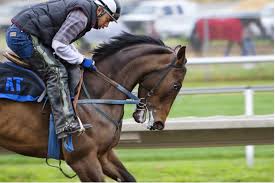
The Cheltenham Festival is the pinnacle of National Hunt racing, attracting the very best horses, trainers, and jockeys from across the world. For any serious horse racing bettor, this four-day spectacle is an event that offers a wealth of opportunities and challenges. One of the most effective ways to develop a winning Cheltenham betting strategy is to study the festival’s history. By understanding patterns, trends, and the impact of various factors on past performances, bettors can gain valuable insights into how horses, trainers, and jockeys are likely to perform in future editions.
In this article, we will explore how you can use past Cheltenham Festivals to form a betting strategy that maximizes your chances of success. We’ll dive into key factors to consider, including track conditions, race trends, the importance of course specialists, and the role of trainers and jockeys. Let’s take a detailed look at how analyzing the past can inform your decisions for future festivals with cheltenham tips.
Understanding Cheltenham’s Unique Nature
Before delving into betting strategies, it's essential to recognize what makes the Cheltenham Festival so unique. The course, located in Gloucestershire, England, is one of the most challenging tracks in the world of National Hunt racing. It’s renowned for its undulating nature, which tests the stamina, jumping ability, and tactical awareness of the horses. Cheltenham is also known for its prestige; winning here is a significant achievement for any horse, trainer, or jockey.
The festival comprises 28 races, spread over four days, with some of the most famous contests including the Cheltenham Gold Cup, the Champion Hurdle, and the Queen Mother Champion Chase. Each of these races presents a different challenge, and the conditions can vary from year to year, making historical data all the more useful for bettors looking to predict outcomes.
The Importance of Course Specialists
One of the first things to note when developing a Cheltenham strategy is the significance of course specialists. Horses that perform well at Cheltenham year after year often display a unique affinity for the course. These horses tend to handle the challenging nature of the track—particularly the sharp bends, uphill finishes, and tricky obstacles—better than others.
Past performance at Cheltenham is one of the most reliable indicators of how a horse will fare in future festivals. Looking at past winners and runners-up in key races can help identify those with a proven record at the track. For example, horses like Vautour, Arkle, and Hurricane Fly were all known for their exceptional form at Cheltenham, and their success is often a strong predictor of future performances from similar types of horses.
When researching past Cheltenham Festivals, pay close attention to:
- Previous Winners: Horses that have won at Cheltenham are often more likely to repeat the feat, especially if they have shown consistent form in the lead-up to the festival.
- Course Record: Horses that consistently place well in the same race over multiple years should not be ignored. Even if they don’t win, their ability to handle the course can give them an edge.
- Age and Experience: Certain age groups tend to perform better in specific races. For instance, young horses often dominate races like the Supreme Novices' Hurdle, while older horses are more suited for the likes of the Gold Cup.
Key Tip: If a horse has shown strong form at Cheltenham in the past, don’t overlook them, even if they haven’t been performing well elsewhere. Track history matters.
Race Trends and Track Conditions
Another crucial aspect of your Cheltenham strategy is understanding race trends and track conditions. Cheltenham’s weather can be highly unpredictable, with conditions varying from year to year. This can affect how horses perform and should be considered when placing bets.
Track conditions are often categorized into:
- Good to Soft: This is the most common condition at Cheltenham, with the course providing a fair test of speed and stamina.
- Soft or Heavy: These conditions tend to favor horses with strong stamina and jumping ability. Horses that have proven themselves on soft ground are often well-positioned to perform in these conditions.
- Good: Although rare, good ground can change the dynamics of the races, favoring faster, more nimble horses.
Studying past festivals can reveal how different horses perform under varying conditions. For example, if a horse has shown superior form on soft ground in previous Cheltenham Festivals, they may be worth backing when the going turns heavy.
Additionally, consider the trend in each race. Some races at Cheltenham, such as the Champion Hurdle, have a strong trend for older horses to dominate. In contrast, younger horses often excel in races like the Supreme Novices' Hurdle. Understanding these trends can guide your bets, as certain types of horses are more suited to specific races.
Key Tip: Look for horses with a proven record in similar conditions. Track conditions and race trends play a significant role in determining which horses will perform best.
The Role of Trainers and Jockeys
While a horse’s form is obviously the most important factor in a bet, the influence of trainers and jockeys cannot be understated, particularly when it comes to Cheltenham. Some trainers are known for targeting the festival with specific horses, while others seem to have an innate understanding of how to prepare a horse for success at Cheltenham.
In horse racing, two figures stand out as crucial determinants of a horse's performance: the trainer and the jockey. For bettors, understanding their roles can provide valuable insights and significantly influence decisions. Both trainers and jockeys contribute to the horse’s ability to perform on race day, and their influence can be the difference between victory and defeat.
The Role of the Trainer
The trainer is responsible for preparing a horse for the race, shaping its physical condition, and devising a strategy that maximizes its chances of success. A trainer’s expertise can impact a horse’s overall fitness, its ability to handle different race conditions, and its readiness for specific types of races.
Trainers are also skilled at assessing a horse’s strengths and weaknesses, selecting races that suit its abilities, and developing a training regimen that builds on its natural talent. When betting on a race, analyzing the reputation and history of the trainer is crucial. Established trainers with a consistent track record in certain races or conditions tend to increase the likelihood of success. Additionally, some trainers specialize in specific race types (such as sprint races, endurance events, or turf races), making them more likely to excel in those scenarios.
For bettors, the form of a trainer is just as important as the form of the horse. A horse with a top-tier trainer may outperform expectations, especially in challenging conditions or against tough competition. Bettors should pay attention to a trainer’s recent performance, any historical success at the track, and the trainer’s ability to work with particular horse breeds or racing conditions.
The Role of the Jockey
While the trainer is focused on preparation, the jockey takes over on race day, directly influencing the horse’s performance during the race. A jockey’s experience, skill, and understanding of race tactics are pivotal to a horse’s success, especially in tight or competitive races. The jockey’s ability to judge pace, make tactical decisions, and position the horse for a strong finish can be the determining factor in a race.
Jockeys also play a significant role in building a rapport with the horse. A skilled jockey understands the horse's temperament, its preferences for certain race tactics, and when to push the horse to its limits. The best jockeys know how to bring out the best in their mounts and how to handle pressure during high-stakes races.
For bettors, the jockey’s past performances and statistics can offer valuable insight. Track record, win rates, and success in specific races can all serve as indicators of a jockey's effectiveness. A change in jockey, particularly for a top horse, can impact the market, so understanding the dynamics of these partnerships is essential.
In horse race betting, the trainer and jockey play integral roles that directly affect the outcome of a race. Bettors should always consider their past performances, expertise, and synergy with the horse when placing bets. A well-prepared horse paired with a skilled trainer and a seasoned jockey often represents a strong opportunity. By carefully analyzing these elements, bettors can make more informed decisions and identify value bets in the competitive world of horse racing.
Trainers to Watch: Over the years, trainers like Willie Mullins, Nicky Henderson, and Paul Nicholls have become synonymous with Cheltenham success. Mullins, for example, has had a record-breaking number of wins at the festival, with many of his horses excelling in multiple races. Likewise, Nicky Henderson is known for producing horses that peak at Cheltenham, such as Altior and Buveur D’Air.
It’s also important to consider the jockeys who ride at Cheltenham. Some jockeys have a unique skill set for negotiating Cheltenham’s tough course and getting the best out of their mounts. Ruby Walsh, who was a fixture at Cheltenham for many years, is an example of a jockey whose experience at the track made him particularly dangerous in big races. Richard Johnson, Barry Geraghty, and Davy Russell are also jockeys with proven records at the festival.
When forming a Cheltenham strategy, consider:
- Trainer Targeting: Which trainers are known for preparing horses specifically for Cheltenham? Are there any trainers who perform consistently well at the festival?
- Jockey Form: Some jockeys excel under pressure at Cheltenham. Study their historical performances at the festival, as well as their current form, to gauge their chances of success.
Key Tip: Focus on trainers and jockeys with a proven record at Cheltenham, especially those who have targeted the festival with their horses in the past. These connections know what it takes to win at Cheltenham.
The Significance of Previous Festival Form
When reviewing past Cheltenham Festivals, it's important to look at form from previous years. While every year presents a new challenge, there are certain trends and patterns that repeat themselves. For instance:
- Returnees: Horses that have run well in previous festivals but did not win are often worth considering for future bets, especially if they have continued to perform well in the lead-up to the festival.
- Disappointments Turned Successes: Horses that have underperformed in previous Cheltenham Festivals but have shown signs of improvement are worth keeping an eye on. A solid prep season or a change in training methods could mean a breakthrough performance.
Key Tip: Take note of horses that have shown strong performances in past Cheltenham Festivals but have not won. They could be primed for a breakout win.
Utilizing Data and Statistics
Cheltenham is one of the most data-rich festivals in the world of horse racing. There is an abundance of statistical analysis available, from pace figures to speed ratings, that can help you form a more informed strategy. For example, understanding how fast a horse has completed similar distances at Cheltenham or how their previous form compares to their competitors’ can give you an edge in making your selections.
Additionally, platforms like Racing Post and Timeform provide in-depth stats and ratings for horses, trainers, and jockeys, which can be invaluable in the lead-up to the festival.
Key Tip: Leverage statistical data to support your decisions. Look at pace figures, speed ratings, and other key metrics that provide insights into a horse’s ability to perform at Cheltenham.
Conclusion
Forming a successful Cheltenham strategy requires a thorough understanding of the festival’s unique nature and the many factors that influence horse performance. By studying past Cheltenham Festivals, you can identify course specialists, track trends, and uncover valuable insights about trainers, jockeys, and specific race dynamics. With the right approach, historical data can provide a strong foundation for your decisions, increasing your chances of success at one of the most exciting and competitive events in the horse racing calendar.
By combining historical analysis with a keen eye for current form, track conditions, and race trends, you’ll be well-equipped to navigate the Cheltenham Festival and spot the best betting opportunities.