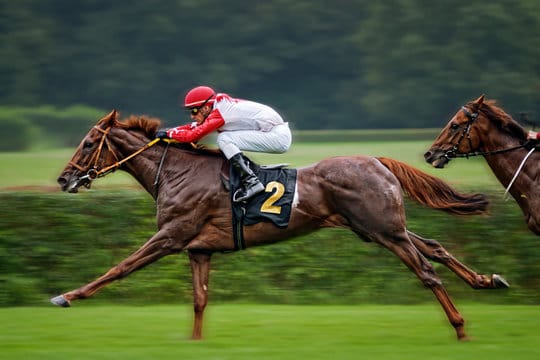
Does Horse Colour Matter? Myths, Superstitions, and Stats Explored
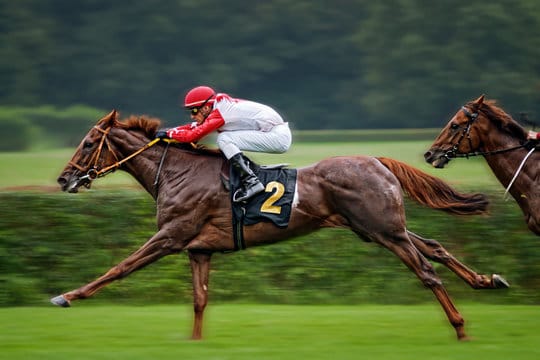
Horse enthusiasts and casual observers alike often find themselves captivated by the wide range of horse colours—from glossy black to speckled gray, fiery chestnut to golden palomino. But does a horse’s colour actually matter? This question has been debated across generations, combining folklore, science, and statistical analysis. In this comprehensive exploration, we'll separate myth from reality and examine whether a horse’s coat color truly affects performance, temperament, or value on a bet.
The Fascination with Horse Colores in horse betting
Common Horse colours
|
Colour |
Description |
|
Bay |
Brown body with black mane, tail, and legs |
|
Chestnut |
Reddish-brown body, mane, and tail |
|
Black |
True black all over, sometimes with white markings |
|
Gray |
Born dark, lightens with age to white or silver |
|
Palomino |
Golden body with white or flaxen mane and tail |
|
Buckskin |
Tan or gold body with black mane, tail, and legs |
|
Paint/Pinto |
Large patches of white and any other color |
|
Roan |
Even mixture of colored and white hairs over the body |
Myths and Superstitions Surrounding Horse Colour
Throughout history, horse colour has been linked to superstitions—some charming, others misleading. Here's a roundup of common beliefs.
Popular Superstitions
|
Colour |
Myth/Superstition |
|
Black |
Symbol of power and mystery; some cultures considered them bad omens |
|
White/Gray |
Associated with purity or ghosts; said to be spiritual or magical |
|
Chestnut |
Believed to be hot-tempered, especially chestnut mares |
|
Palomino |
Thought to bring good luck and to be especially valuable |
|
Bay |
Considered the most reliable and “safe” color |
While these beliefs add color to equestrian culture, they’re rarely backed by science.
Scientific Research on Coat Colour and Temperament
While superstitions persist, researchers have explored whether coat colour truly correlates with behavioural or performance traits.
Temperament and Genetics
Some studies have attempted to draw links between coat colour and behavior:
- Chestnut Horses: Anecdotally believed to be feisty. A 2010 study suggested there might be a slight correlation between certain coat colors and reactivity in horses, but findings were inconclusive.
- Black and Bay Horses: Often associated with steadier temperaments, though no genetic markers directly support this.
- Gray Horses: Aging gray horses may show higher incidence of melanoma, but not temperament shifts.
Summary of Scientific Findings
|
Study/Source |
Key Findings |
|
University of Sydney (2010) |
Slight increase in reactivity among chestnuts; not statistically significant |
|
Equine Genetics Journal |
No direct genetic link between color and temperament |
|
University of Kentucky (2020) |
Coat color has no impact on trainability or intelligence |
Conclusion: Color might appear to correlate with behavior due to bias, but there is no strong genetic basis.
Performance and Competition: Do Some Colors Win More?
This question sparks heated debates in racing, show jumping, and dressage circles. Let’s look at the data.
Thoroughbred Racing in betting
Thoroughbreds are predominantly bay, brown, or chestnut. Gray and black are less common.
Coat Colour Distribution Among Kentucky Derby Winners (2000–2024)
|
Colour |
Number of Wins |
Percentage (%) |
|
Bay |
15 |
60% |
|
Chestnut |
6 |
24% |
|
Gray |
2 |
8% |
|
Black |
1 |
4% |
|
Other |
1 |
4% |
Interpretation: Bays win more—but they’re also far more common. Adjusted for population, win rates show no clear preference for colour.
Dressage and Show Jumping
In disciplines judged on skill and aesthetics, does colour affect scoring?
- Bias Potential: A few surveys suggest judges may unintentionally favor flashy colors like palomino or gray due to their visual appeal.
- Statistical Validity: However, competitive outcomes remain primarily tied to training and performance.
Health Implications of Horse Colour
While temperament and performance may not be strongly linked to coat color, health sometimes is.
Colour-Linked Health Issues
|
Colour |
Known Health Risks |
|
Gray |
Higher incidence of melanoma, especially in older horses |
|
Overo Paint |
May carry Lethal White Foal Syndrome (LWFS) when bred improperly |
|
Albino/Double Cream |
Photosensitivity and vision problems; often avoided in sport breeding |
Note: Proper breeding and veterinary care can mitigate many of these issues.
Market Value: Does Colour Influence Price?
A horse’s value is determined by a variety of factors—pedigree, training, discipline—but color often affects initial interest and marketability.
Horse Sale Prices by Colour (Average, USD)
|
Colour |
Avg. Sale Price |
Notes |
|
Palomino |
$10,000–$30,000 |
Highly sought after in recreational and Western markets |
|
Buckskin |
$8,000–$25,000 |
Popular for aesthetics and Western riding |
|
Bay |
$5,000–$20,000 |
Common, often judged more on skill |
|
Gray |
$6,000–$25,000 |
Visually striking but long-term melanoma concerns |
|
Chestnut |
$4,000–$18,000 |
Sometimes undervalued due to temperament myths |
|
Black |
$7,000–$30,000 |
Very popular for appearance; rare in some breeds |
These are broad averages and vary significantly based on training and discipline.
Breed Standards and Registration Biases
Some breeds prefer or restrict certain colours. This plays a major role in how colour affects a horse’s desirability or price.
Breed Colour Limitations
|
Breed |
Accepted colours |
Notes |
|
Friesian |
Black only |
Exceptionally consistent aesthetic |
|
Arabian |
All solid colours |
Gray is extremely common |
|
Quarter Horse |
All colours (including Paint patterns) |
Some breeders favor buckskin and palomino |
|
Thoroughbred |
Bay, chestnut, gray, black |
Pinto or Appaloosa markings not accepted |
|
Appaloosa |
Spotted patterns only |
Color defines the breed |
Breeding associations can enforce preferences that influence market trends and perceptions.
The Psychological Bias: Do Riders Choose Horses by Color?
Several equine psychologists suggest color does influence rider preferences.
Survey Results: Rider Preferences (n=1,000)
|
Preferred Colour |
% of Respondents |
|
Black |
28% |
|
Palomino |
22% |
|
Bay |
18% |
|
Gray |
12% |
|
Chestnut |
10% |
|
Other |
10% |
Why does this matter? Colour bias can affect buying decisions, even when it has no bearing on performance.
Historical and Cultural Significance of Horse Colour
Long before horses were evaluated by their dressage scores or barrel racing times, they were symbols of power, wealth, and status.
Ancient Civilizations and Horse Colour
- Ancient Greece: Black horses were considered noble and often used in funerals or ceremonies invoking Hades, god of the underworld. White horses were associated with Poseidon and seen as divine.
- Ancient China: The Han Dynasty revered the “Heavenly Horses” from Central Asia, often described as golden or cream-colored, and believed to be direct gifts from the gods.
- Middle Ages Europe: Knights preferred black or bay destriers for battle—they were considered bold and intimidating. White or gray horses were often used during ceremonies or parades to signal purity and nobility.
- Native American Tribes: Different tribes had colour symbolism. For example, the Lakota Sioux believed a horse’s colour could influence its spiritual power. A paint or pinto horse was often associated with success in battle.
The Role of Genetics in Coat Colour
Horse coat colour is determined by multiple genes. Understanding how these interact can clarify why some colours are rare—and why breeders sometimes prioritize them.
Primary Pigment Genes
- Extension Gene (E): Controls black pigment production.
- Agouti Gene (A): Restricts black pigment to certain areas (like the mane or legs), resulting in bay horses.
- Cream Gene (Cr): Dilutes red pigment to gold (as in palominos) or bay to buckskin.
- Gray Gene (G): Causes horses to lighten over time, eventually turning white.
Some combinations can produce stunning and unique colours, such as perlino or smoky cream, but may also bring unwanted health risks if bred irresponsibly.
Coat Colour Probability Table (Simplified Breeding Outcomes)
|
Parent 1 (Color) |
Parent 2 (Color) |
Possible Foal Colors |
Probability Notes |
|
Bay |
Bay |
Bay, Chestnut, Black |
Depends on hidden alleles |
|
Palomino |
Palomino |
Palomino, Cremello, Chestnut |
Risk of double dilute |
|
Gray |
Any |
50% chance gray |
Gray gene is dominant |
|
Black |
Chestnut |
Black, Bay, Chestnut |
Varies with Agouti presence |
These probabilities make breeding for a specific color both a science and an art.
Famous Horses by Color
Black Horses
- Black Beauty: Though fictional, this horse defined the ideal of nobility, courage, and suffering with dignity. It solidified the cultural admiration of black horses.
- Midnight Sun: A famous Tennessee Walking Horse stallion known for his jet-black coat and fluid gait, he was a two-time World Grand Champion.
Gray Horses
- Desert Orchid: A beloved British racehorse, often referred to as “Dessie,” whose silvery gray coat made him a fan favourite.
- Lonesome Glory: An American steeplechase star, famous for his white-gray appearance and exceptional track record.
Chestnut Horses
- Man o’ War: One of the greatest racehorses in history. His chestnut coat didn’t hinder his legendary status—despite old myths.
- Secretariat: Another brilliant chestnut, this Triple Crown winner debunked the myth of the "moody chestnut."
Palominos and Buckskins
- Trigger: Roy Rogers’ palomino stallion was a Hollywood star, known as “the smartest horse in the movies.”
- Dun It With A Twist: A reining champion with a buckskin coat, famous in Western circles.
Modern Market Trends and Colour Fads
The 21st-century horse market has seen a shift where visual uniqueness is increasingly prized—especially in recreational riding and social media-influenced sales.
Colour as a Marketing Tool
Horse sellers often market flashy colours like silver dapple, cremello, or grulla to attract buyers. Social platforms like Instagram and TikTok elevate unusual-looking horses to near-celebrity status.
- Miniature Horses with exotic colours often fetch premium prices despite limited utility.
- Gypsy Vanners, known for piebald or skewbald coats, are gaining popularity due to their “storybook” look.
However, buyers influenced by trends may prioritize color over training or soundness—leading to mismatched purchases and eventual disappointment.
The Role of Colour in Emotional Bonding
Interestingly, research in animal-human psychology suggests that visual appeal—including coat colour—can impact emotional bonding. A rider or owner may feel a stronger initial attraction to a horse that fits their “ideal image,” which can influence long-term investment in training and care.
While this doesn’t make the horse objectively better, emotional bias can result in:
- Greater patience during training
- Increased emotional attachment
- Higher perceived value, regardless of ability
In short, if you think your horse is more beautiful, you might be more motivated to nurture its full potential.
Colour and Visibility in Different Disciplines
Colour can sometimes have practical implications in specific equestrian disciplines:
- Trail Riding and Hunting: Light-colored horses like gray or palomino may be more visible in wooded areas—helpful for safety.
- Parades and Shows: Flashy colors stand out and may catch a judge’s eye during entrance or exit routines.
- Mounted Police: Many mounted units prefer bay or black horses for their uniformity and dignified appearance.
Although subtle, these choices reflect how function and fashion sometimes intersect.
A Word on Discrimination Based on Colour
While it may sound amusing to talk about “color discrimination” in horses, the reality is that many good horses are overlooked because of coat color biases. This can be seen in:
- Undervalued Chestnuts due to temperament myths
- Avoidance of Overos despite genetic testing advancements
- Gray Horses with fear of future melanoma, even when health is otherwise excellent
Disregarding horses based on color can limit the buyer's options and create unjust bias in breeding and training opportunities.
Final Reflections: Choosing the Right Horse for You
So—should you care about horse color?
Yes, if:
- It brings you joy and strengthens your emotional bond.
- You ride recreationally and want a horse you find visually appealing.
- You’re in disciplines where color can be part of the show.
No, if:
- You’re competing at high levels and need to focus on temperament, soundness, and trainability.
- You’re buying on a budget and need to prioritize health and conformation.
- You’re breeding responsibly and should avoid prioritizing color over genetic diversity and health.
Ultimately, the “best” horse is the one that matches your needs, personality, and goals. Whether it's a sleek black stallion or a quirky paint pony, a horse’s true value lies in its heart—not its hide.
Further Reading and Resources
- “Equine Color Genetics” by D. Phillip Sponenberg – A leading textbook on horse coat color genetics
- The Horse Magazine – Features articles on breeding, performance, and health
Conclusion
While horse color is largely irrelevant to performance or temperament from a scientific standpoint, it remains highly influential in the world of perception, health, and pricing. Whether you're a breeder, buyer, or rider, it's essential to look past the surface and focus on what truly matters—soundness, training, and partnership. But still, if you’ve always dreamed of riding off into the sunset on a shimmering palomino or a sleek black steed, don’t feel bad. Just make sure they’ve got a good brain under that beautiful coat.