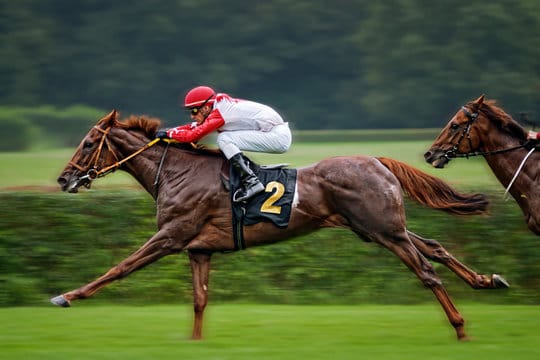
Aintree Tips for First-Time Racegoers
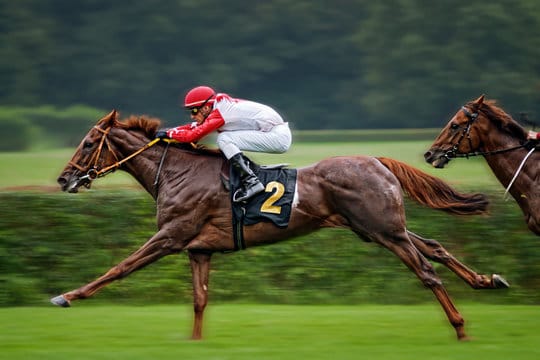
For many people, a visit to Aintree Racecourse is not just about the thrill of the sport but also about immersing themselves in a rich tradition that spans centuries. The atmosphere, the energy, and the sheer pageantry of an event like the Grand National make it one of the most anticipated experiences on the British sporting calendar. For those attending for the first time, however, the sheer scale and excitement can be a little overwhelming. This guide offers insight, aintree tips, and helpful pointers to make that first visit enjoyable, comfortable, and memorable, especially for those new to the experience.
Aintree is steeped in history and tradition. Located just outside Liverpool, the course has been hosting races since 1829, with the Grand National first run in 1839. This event has since become a cultural institution, drawing crowds not only from across the United Kingdom but from around the world. The Grand National Festival, typically held in early April, spans three days and features a blend of elite races and vibrant festivities. From the moment you arrive, whether by car or public transport, the sense of occasion is unmistakable. Trains and buses are packed with groups dressed in their best, excitement buzzing in the air. Arriving early is highly advisable, as it allows time to soak in the surroundings, explore the course, and avoid the rush.
For those unfamiliar with race days, dress code plays a more important role than one might initially assume. While Aintree does not enforce strict formalwear rules, many attendees use the occasion to dress in stylish and elegant attire. For women, it’s an opportunity to showcase fashionable dresses, heels, and often eye-catching hats or fascinators. Men tend to opt for suits or blazers, though smart-casual wear is usually acceptable. That said, comfort should not be overlooked. The course is vast, and a day at Aintree typically involves a lot of walking and standing. Choosing footwear that balances style with practicality can greatly enhance the overall experience. A small umbrella or waterproof jacket is also a wise addition, given the unpredictability of British weather in spring.
Planning ahead is key to a smooth day at Aintree. Tickets can be purchased in advance, with several enclosures available, each offering different views and experiences. The Grandstand and Lord Sefton Stand provide excellent vantage points and are perfect for those wanting to be in the heart of the action. Meanwhile, the Festival Zone offers a more relaxed and affordable entry, with food stalls, bars, and big screens to follow the races. Whatever option one chooses, it’s best to purchase well ahead of time, as tickets tend to sell out quickly, especially for the Grand National day. Exploring the layout of the course online before arrival helps in identifying amenities such as toilets, food outlets, and designated viewing areas.
Once at the racecourse, many first-time visitors are struck by the sheer energy of the crowd. Thousands of voices rise in excitement as horses gallop down the track. The roar of anticipation, the gasp of surprise, and the cheer of triumph are all part of the unique soundtrack of race day. For those not yet familiar with the flow of a race day, it’s helpful to pick up a racecard. This printed guide contains a schedule of races, information about the horses and jockeys, and insights that can enhance one’s understanding and appreciation of the sport. Seasoned attendees often carry highlighters and pens to mark out the names of horses or track results, creating a more engaged and interactive experience.
Equally important is the social side of a day at Aintree. The racecourse has become famous not only for the sport itself but also for the sense of camaraderie and celebration that fills the venue. Friends reunite, families gather, and colleagues mingle, creating a lively and convivial atmosphere. The bars and hospitality areas provide ample opportunity to relax and enjoy a drink or meal between races. Food options range from traditional pies and chips to more gourmet fare, reflecting the course’s commitment to catering to all tastes. Taking the time to enjoy these spaces can add a leisurely rhythm to the day, balancing the intense energy of the races with moments of calm and connection.
One aspect that surprises many newcomers is the physical proximity to the horses and jockeys. While safety barriers are in place, there are areas around the paddock and parade ring where attendees can watch the horses being prepared and led out for their events. Observing their calm composure or skittish nerves, the interactions with trainers, and the final checks by jockeys provides a deeper appreciation for the preparation and professionalism involved. These quiet moments before the thundering action on the track reveal a side of the sport that is often missed on television—one that is rich in detail, discipline, and care.
It’s also worth noting the high standard of safety and regulation at Aintree. Over the years, efforts have been made to ensure the well-being of both riders and horses. Changes to the course layout, fence design, and veterinary support have all contributed to a safer environment. Understanding these aspects can help newcomers appreciate the evolving nature of the sport and the responsibilities taken seriously by its organisers.
Being well-prepared for the day can significantly improve comfort and enjoyment. Bringing essentials such as sunscreen, hand sanitizer, and a portable phone charger might seem trivial, but they often make a big difference over the course of the day. Keeping an eye on the weather forecast and dressing accordingly is equally wise. Light layers, raincoats, or even sunglasses might all be called for depending on the conditions. Additionally, setting a meeting point for your group in case you get separated can save time and reduce stress.
Understanding the schedule of races is another way to optimise the day. Each race is spaced out with sufficient time in between to explore, refresh, or regroup. The Grand National itself typically takes place in the late afternoon, so pacing oneself through the earlier part of the day helps maintain energy and enthusiasm. Taking breaks, staying hydrated, and avoiding overindulgence allow you to stay present and alert when the marquee moments arrive. The thrill of seeing a close finish or witnessing a horse charge through the final stretch is best enjoyed with a clear head and a sense of awareness.
For those interested in learning more about the sport, attending Aintree is a perfect starting point. Engaging with knowledgeable attendees, listening to commentators, and observing the nuances of race preparation provide a crash course in the dynamics of the event. Many regular visitors are happy to share their perspectives, from which horses have a strong record to how the condition of the ground might affect performance. This informal learning adds layers of appreciation to each race, making the day not just entertaining but also intellectually enriching.
Moreover, the spirit of Aintree is deeply rooted in community and celebration. It’s not just about the competition but about coming together, sharing moments, and embracing tradition. Many attendees treat it as an annual pilgrimage, a day that holds special significance in their social calendar. First-time visitors often find themselves swept up in this energy, discovering not just a sporting event but a cultural touchstone that embodies joy, resilience, and spectacle. Whether you’re there to cheer a favourite, enjoy the fashion, or simply experience something new, Aintree delivers on every front.
A day at Aintree can be unforgettable for all the right reasons when approached with a bit of foresight and a sense of adventure. While the sport is at the heart of it, the human elements—the conversations, the shared cheers, the laughter—are what truly define the occasion. For a first-time racegoer, the best tip of all might be to let go of expectations, embrace the moment, and allow the vibrant spirit of Aintree to take you on a journey you’ll want to relive again and again.
Aintree Tips: How to Spot a Potential Winner
Every spring, Aintree Racecourse becomes the centerpiece of attention as spectators from across the globe gather to witness some of the most dramatic and unpredictable racing in the sporting calendar. The Grand National Festival, held at this iconic venue, is steeped in tradition and boasts a reputation for producing thrilling finishes and unexpected triumphs. With a field often packed with more than 30 contenders, spotting a potential winner at Aintree is far from a straightforward task. However, with a careful blend of historical analysis, current form, and subtle visual cues, one can enhance their ability to identify horses with a genuine chance of success. For those looking to gain an edge, Aintree tipscan be invaluable in navigating the complexities of this legendary race.
The process begins by understanding the unique nature of the Aintree course itself. Unlike many other tracks, Aintree's fences are notoriously demanding, both in scale and structure. Obstacles such as Becher’s Brook, The Chair, and Canal Turn are more than just barriers; they are tests of a horse’s agility, bravery, and balance. Consequently, past performance at Aintree or at similarly challenging tracks can serve as a critical indicator. Horses that have previously completed the Grand National or other races on this course without major issues should be closely observed. Experience over the fences often separates those who can cope with the test from those who struggle under pressure.
Equally important is the ability of the horse to maintain stamina over long distances. The Grand National, in particular, is a marathon contest, extending over four miles and involving a grueling array of jumps. This distance is longer than almost any other high-profile race, and only horses with proven staying power can expect to compete effectively from start to finish. In evaluating contenders, one should review their form over distances of three miles or more. A strong finish in such races, particularly in the final furlongs, signals that the horse possesses the kind of resilience needed to tackle Aintree’s lengthy circuit.
Ground conditions at Aintree can vary considerably, from firm spring going to heavy, rain-affected turf. Identifying a potential winner requires a detailed look at how horses perform on different surfaces. Some excel when the ground is soft, digging in and grinding out results, while others perform best when the going is good and the turf provides minimal resistance. Racegoers should examine past performances on comparable ground conditions to see where each horse finds its advantage. The ability to adapt to changing surfaces is a hallmark of a versatile and capable competitor.
The human element cannot be overlooked. The partnership between a horse and its rider is critical in a race where timing, positioning, and decision-making are paramount. Jockeys with prior success at Aintree often understand the intricacies of the course far better than those unfamiliar with its unique challenges. A skilled jockey knows when to conserve energy, how to approach the most intimidating fences, and where to strike on the home stretch. Additionally, trainers who have consistently produced strong runners for Aintree should be respected. They understand what kind of preparation is necessary and what attributes to prioritize in training a horse for this environment.
An often-overlooked aspect is the temperament of the horse. A calm and composed demeanor can be crucial in the chaotic atmosphere of Aintree, particularly in the Grand National where the noise, crowds, and large field can unsettle nervous or flighty animals. Observing a horse’s behavior in the paddock or during the parade can offer clues. A potential winner typically walks smoothly, stays focused, and responds well to its handler, suggesting it has the mental fortitude required to face the upcoming challenge.
Form analysis remains an essential part of identifying top contenders. However, rather than focusing solely on victories, it’s important to consider the context of each performance. For example, a second-place finish in a high-quality field may be more impressive than a win in a lower-grade race. The manner in which a horse finishes—whether it’s staying on strongly, making up ground late, or tiring in the final furlong—can provide valuable insight into its potential over Aintree’s unique demands. Horses that tend to finish races with energy remaining are typically more likely to handle the extended test of stamina that Aintree presents.
Weight carried by a horse is another factor that merits attention. The Grand National has a handicap format, meaning horses carry different weights based on their official ratings. While high weights indicate quality, they can also prove burdensome over such an extended trip. Historical trends show that horses carrying lower to mid-range weights often fare better, especially when the ground is testing. Yet, exceptions do exist—truly elite horses with high weight allocations have triumphed, often due to a combination of class and resilience. The balance between proven ability and manageable weight can sometimes highlight an overlooked contender.
It is also wise to look for signs of preparation specifically aimed at Aintree. Some trainers tailor a horse’s campaign to peak in the spring, often choosing preparatory races that mirror aspects of the Grand National. These build both fitness and confidence while keeping the horse fresh. Races over fences at Cheltenham, Doncaster, or Haydock can serve as suitable stepping stones, and how a horse performs in these events—especially when coming from behind or showing staying power—should be weighed heavily in any assessment.
Understanding the pace of a race is essential in determining which horses are likely to excel. In large-field contests like those at Aintree, a fast early pace can result in front-runners tiring late, while those who stay out of trouble and conserve energy may sweep through in the closing stages. Past performances can reveal whether a horse prefers to race prominently, settle mid-pack, or come from behind. Horses with adaptable running styles—those who can switch tactics based on how a race unfolds—tend to do well in unpredictable scenarios, particularly when faced with obstacles and the ebb and flow of long-distance contests.
Another layer of analysis comes from examining breeding. While not definitive, a horse’s pedigree can suggest certain traits, such as stamina, jumping ability, and ground preference. Horses bred from staying lines often inherit the capacity to go the distance, and those sired by jump-oriented stallions typically exhibit more natural ability over fences. Studying family history may not offer immediate answers, but it can provide subtle confirmation that a horse is built for the test Aintree demands.
Weather conditions on race day also play a part. Rain can drastically alter the dynamics of a race, turning good ground into a more laborious test. Horses that have previously shown determination in muddy or heavy conditions gain a distinct advantage in such scenarios. Conversely, dry weather can favor those with a quick turn of foot and lighter frame. Keeping a close eye on the weather in the days leading up to the race helps to refine the shortlist and avoid choosing horses that are at a disadvantage due to surface incompatibility.
Equally, the draw can influence how a race pans out, particularly in races involving many runners. A wide draw may place a horse at a tactical disadvantage early on, forcing it to expend extra energy to find a good position. Those drawn favorably may be able to settle more comfortably and conserve strength for the latter stages. Though not the most critical factor, the draw contributes to shaping race strategy, and thus plays a part in the eventual outcome.
One should not disregard the role of luck, which can never be entirely eliminated in a race as chaotic and competitive as those at Aintree. Falls, interference, and loose horses can impact even the most prepared and talented contenders. However, the goal is to minimize reliance on luck by focusing on indicators that suggest consistency, composure, and quality. The more boxes a horse ticks in terms of stamina, course experience, temperament, and suitability for conditions, the less likely its chances are dependent on fortune alone.
Observing market movements can also provide clues, though they should be treated with caution. Significant support in the hours leading up to a race often reflects confidence from informed sources, but it is not always a reliable predictor. Conversely, horses that drift in the market may be underestimated and offer value if they meet the criteria for a strong performance. Judging a potential winner requires independent analysis grounded in observation and form study, not just a reaction to sentiment.
Consistency is often a sign of a reliable horse, yet those who have consistently fallen short at the highest level may be reaching the ceiling of their ability. It’s important to differentiate between honest performers who always give their best and those whose limitations have been exposed. Look for signs of progression—horses that are improving with age, gaining confidence over fences, or displaying increasing stamina as their careers evolve. These are often the ones poised to take a significant step forward when the spotlight turns to Aintree.
Finally, intuition, honed through experience, should not be underestimated. Over time, those who closely follow racing develop a sense of what constitutes a well-prepared, capable contender. This includes watching how horses walk to post, how they react at the start, and how they recover after exertion. These small moments, sometimes visible only to the careful observer, can differentiate a potential winner from the rest of the field.
In conclusion, spotting a potential winner at Aintree involves a layered and thoughtful approach. It is a blend of objective analysis and subjective assessment, rooted in knowledge of the course, familiarity with the runners, and an appreciation for the unique challenges the venue presents. While no method guarantees success in a sport known for its unpredictability, those who take the time to understand the underlying factors—form, stamina, jumping ability, temperament, and preparation—are far more likely to identify contenders capable of rising to the occasion when it matters most.